
Why Architects Prefer Sensor-Based Sliding Doors for Premium Projects

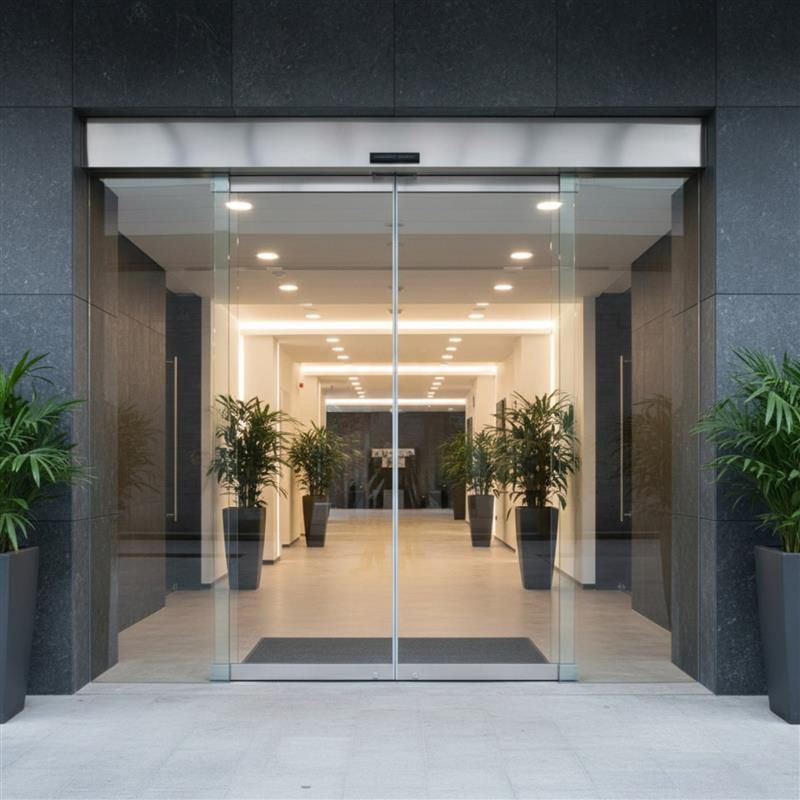
Sensor-based sliding doors have become one of the defining features in premium architecture today. Be it for luxury homes or high-end commercial buildings, automated sliding doors are architectural choices that seem to be in consistent demand because of their sleek design, rich functionality, and hassle-free operation. Their growing popularity is not a trend but shows how modern spaces are expected to perform: seamlessly, safely, and intelligently.
Here's a crisp look at why these doors are a top choice in premium projects, inspired by ENOX's Automatic Sensor Door Systems.
1. Modern Aesthetics with Minimal Footprint
Clean and unhindered design is what architects love-and sensor-based sliding doors fit perfectly into this vision. Slim aluminum profiles and a one-piece housing design make this system blend smoothly into modern interiors.
Large glass surfaces assure optimum openness and visibility yet still ensure a superior and minimalist appearance. ENOX systems are likewise available in several installation lengths: 2.1 m, 4.2 m, and 6.4 m, thereby enabling an architect to select the most appropriate size according to opening width and project requirements.
Why architects prefer it:
- Minimalist look
- Larger clear openings
- Seamless integration with modern finishes
2. Convenience & Hygiene through Touch-Free Access
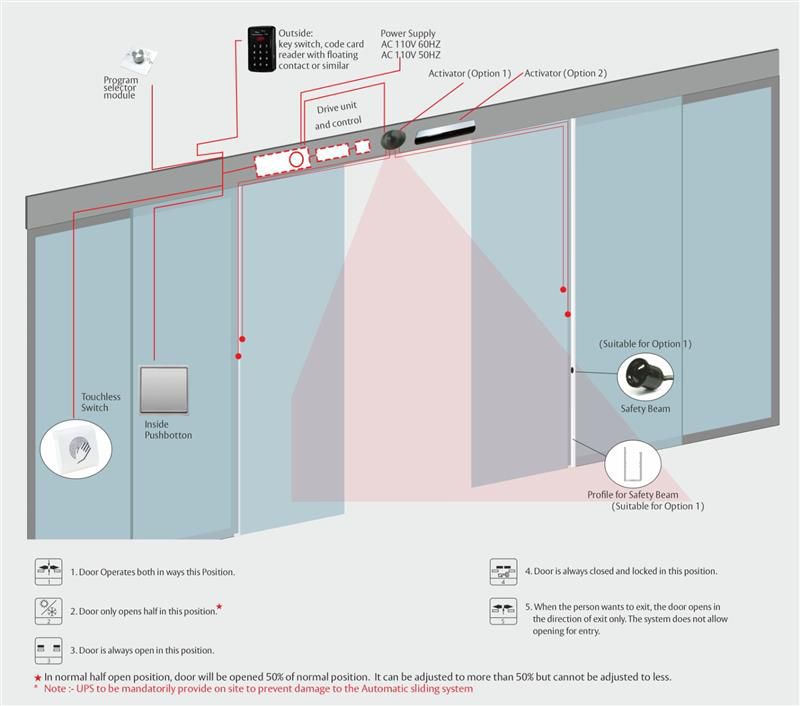
Touchless operation has become essential in high-traffic and premium space. Motion sensors, microwave sensors, and touchless switches allow completely hands-free access to-
- Zero-contact operation
- Faster, Smoother Movement
- Reduced contamination risk
- Easy for children, elderly, and people carrying items
Suitable for hotels, shopping malls, hospitals, offices, and high-end residences.
3. Intelligent, Silent & Efficient Operation
ENOX sliding door systems are chosen by most architects for one crucial reason: advanced automation technology.
ESLD Series utilizes a Brushless DC motor, which is characterized by-
- Silent functioning
- High rotational speed
- Low heat generation
- Reduced power consumption
- Long operational life
This controller, based on the microprocessor, self-learns door movements, makes intelligent speed adjustments, and monitors position in real time to ensure smooth and safe operation throughout.
4. Safety You Can Rely on in Every Environment
Safety be it in public or premium spaces is important. The sensor-based sliding door includes-
- Active infrared safety beams (single & double barrier)
- Motion + safety combined sensors
- Auto reverse upon detection of obstacle
- Compliance with EN 16005 and TUV safety standards
These features prevent accidents; therefore, they are ideal for airports, malls, healthcare institutions, and busy commercial buildings.
5. Energy Efficiency for Sustainable Spaces
Sliding doors that are sensor-based help in energy efficiency since they will open only when necessary and close very quickly. Energy efficiency in ENOX is increased through:
- Adjustable open time: 1–60 seconds
- Half-open mode for low-traffic hours
- High-efficiency electronics
This makes them well-suited for sustainable, energy-efficient building designs.
6. Versatile Sizes & Applications
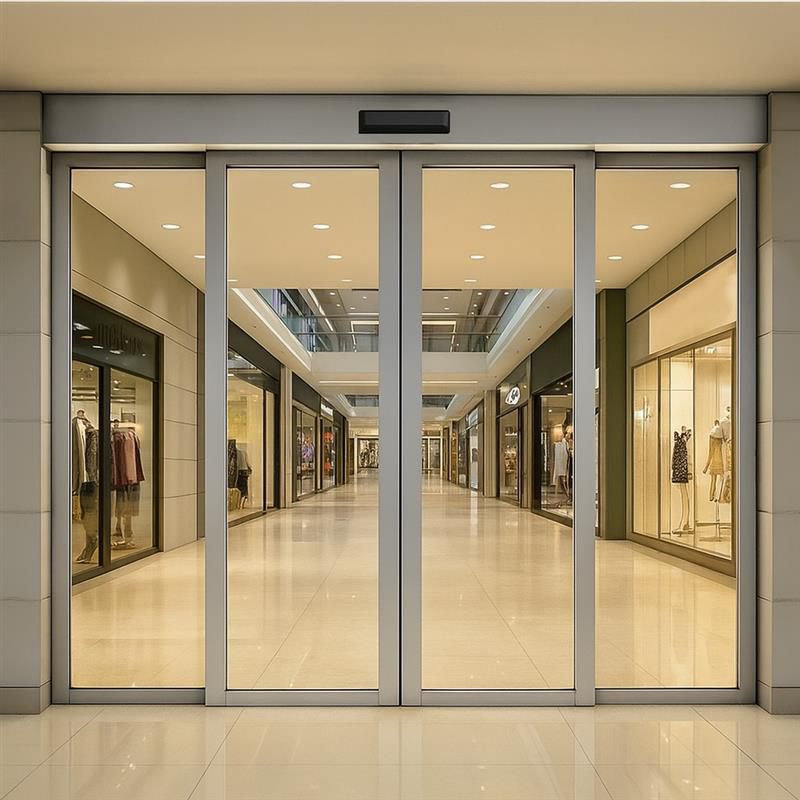
Architects also prefer sensor sliding doors because they can be used across many types of projects. ENOX offers the following multiple door configurations:
- Single Panel: up to 1 x 90 kg
- Double Panel: up to 2 x 120 kg
- Clear openings: up to 2400 mm (bi-parting)
- Full-set sizes: 2.1 m, 4.2 m, and 6.4 m options
This flexibility makes them suitable for:
- Luxury residences
- Retail showrooms
- Corporate offices
- Hotels & hospitality
- Healthcare facilities
- Shopping malls
Conclusion
Sensor-based sliding doors provide more than just automation; they're a smart, aesthetic, safe, future-ready upgrade. With the advanced technology of ENOX, safety features, various sizes (2.1 m, 4.2 m, 6.4 m), and full design integration, it's easy to see why architects continually specify them for high-end, performance-based projects.